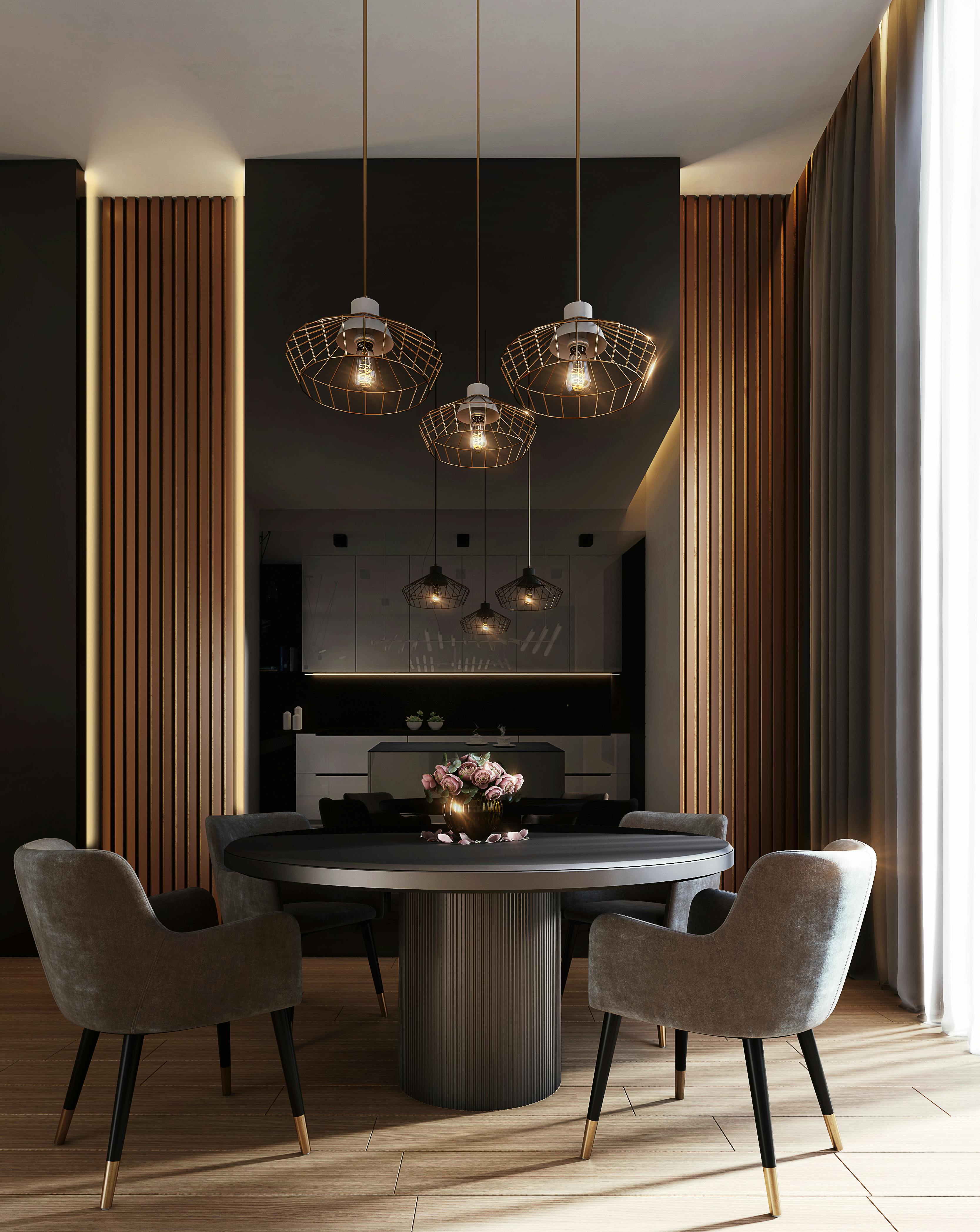
Energy-Efficient Lighting for Homes and Workspaces
Energy-Efficient Lighting for Homes and Workspaces
Bright Ideas: Energy-Efficient Lighting for Homes and Workspaces
“Lighting accounts for about 15% of the electricity consumption in an average home.” That’s a significant chunk of your energy bill—and the environment pays the price too. But here's the good news: small changes to your lighting choices can lead to substantial savings and a greener footprint.
Switching to energy-efficient lighting isn’t just about reducing costs. It’s about creating healthier, more productive spaces, whether you're working late at your desk or enjoying a cozy evening at home.
Let’s shed some light on the most effective solutions for upgrading your lighting and saving energy without sacrificing comfort.
The Basics of Energy-Efficient Lighting
Start with the most impactful step—choosing the right type of bulb. The lighting market has moved well beyond incandescent bulbs, which are notoriously inefficient.
- LED (Light Emitting Diodes): Use up to 75% less energy than traditional bulbs and last 25 times longer.
- CFL (Compact Fluorescent Lamps): Another energy-efficient option, though they’re slowly being phased out by LEDs.
- Smart Bulbs: These allow you to control brightness and scheduling from your phone, enhancing energy efficiency even further.
Practical Tips for Energy-Efficient Lighting at Home
- Maximize Natural Light: Keep window treatments open during the day to reduce the need for artificial lighting. A well-lit room feels larger and more inviting.
- Task Lighting Over Ambient Lighting: Why light the whole room when you just need focused light on your desk or reading nook? Use desk lamps and under-cabinet lights to save energy.
- Use Dimmers: Lowering light levels reduces energy consumption and adds ambiance.
- Switch Off When Not in Use: It's simple but effective. Install motion sensors in high-traffic areas to automate this habit.
Energy-Efficient Lighting for Workspaces
Lighting in workspaces can directly impact productivity and employee well-being. Here’s how to get it right:
- Daylight Integration: Position desks near windows to take advantage of natural light.
- Adjustable Lighting: Equip workstations with adjustable desk lamps for personal control.
- Color Temperature Matters: Use cool white (4000K to 5000K) for task-oriented areas to maintain focus and warmer tones for relaxation zones.
- Smart Lighting Systems: Automate lighting schedules and adjust intensity based on occupancy for maximum efficiency.
Maintenance Matters
Even the best lighting solutions require maintenance. Dust your bulbs and fixtures regularly to maintain brightness. When bulbs flicker or dim over time, replace them promptly to maintain efficiency.
The ROI of Efficient Lighting
Making the switch to energy-efficient lighting is an investment. But it’s one that pays off—financially and environmentally.
- Lower Energy Bills: Savings of up to 75% on lighting costs.
- Reduced Maintenance: Longer-lasting bulbs mean fewer replacements.
- Increased Productivity: Better lighting conditions can enhance focus and mood.
The right lighting does more than illuminate a space. It sets the mood, boosts productivity, and helps reduce your environmental impact. By making smart lighting choices today, you create brighter, greener spaces for tomorrow.
So take the first step. Swap out those old incandescent bulbs, rethink your workspace lighting strategy, and let efficiency shine.